



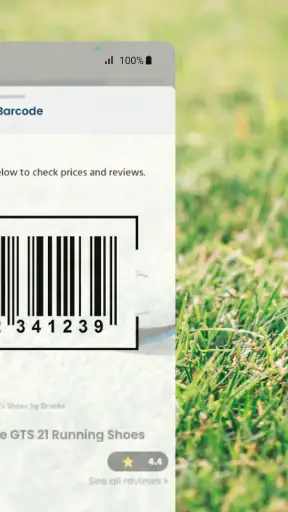
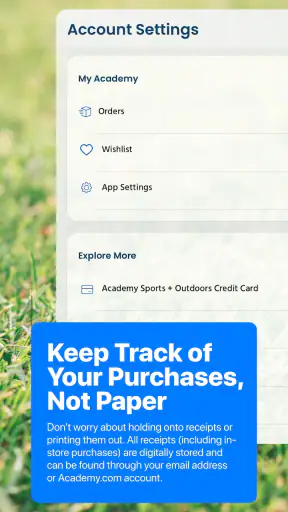
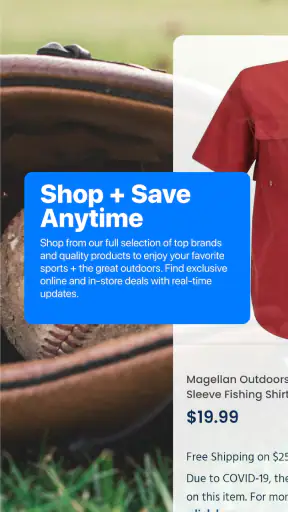
I installed Academy Sports + Outdoors expecting a straightforward way to browse sports and outdoor equipment, and that is exactly where it makes its best impression. It is a free shopping app from Academy Sports & Outdoors, aimed at people who want to look through gear, spot savings, and connect their online shopping with nearby stores. After using it beyond the first browsing session, I found its lasting value depends less on novelty and more on whether you regularly buy sporting goods or outdoor supplies.
The app has a strong public reception, with a 4.8 average from roughly 53 thousand ratings and more than a million installs. Those figures make sense to me: the basic experience is easy to understand, and the app is focused on a specific retailer rather than trying to become a general marketplace. It runs on Android 10 or later, is rated for Everyone, and the current version is 6.9.1. The important question, though, is not whether it is pleasant on the first day. It is whether it becomes useful enough to keep around when you are not actively planning a purchase.
From a promising first week to a practical shopping habit
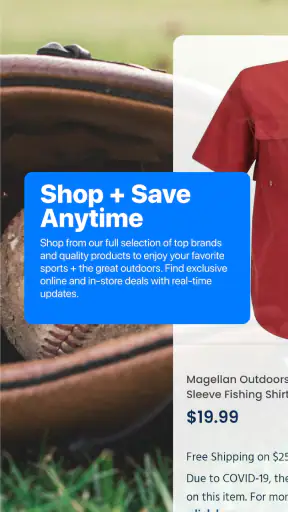
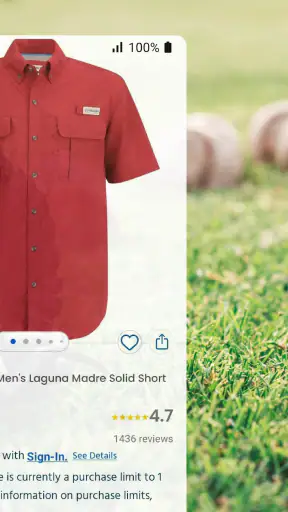
During my first week, the strongest part was the simple path from interest to product discovery. If I was thinking about running, camping, fishing, fitness, or another outdoor activity, I could open the app and start browsing without needing to understand a complicated system. That focus is more comfortable than using a broad shopping platform where sports equipment sits beside thousands of unrelated products.
I also liked the way the app fits two different shopping moods. Sometimes I already know the type of item I need and want to compare available choices. At other times, I am only looking for an idea, such as a useful addition to a weekend outside or a replacement for worn equipment. The app works reasonably well in both situations because it combines product browsing with savings-oriented shopping and store discovery.
A realistic example is preparing for a family camping trip. I might use the app at home to look through outdoor equipment, narrow down what seems suitable, and then check whether a nearby Academy location is relevant to the plan. That is more useful than treating the app as a digital flyer. It helps connect the research stage with the practical question of where I might continue the purchase process.
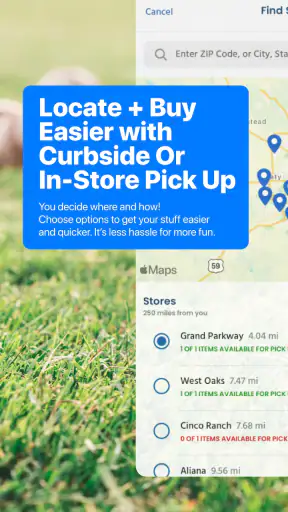
That connection to physical stores is one of the app’s clearest advantages. For shoppers who prefer seeing certain items in person, a store locator can save time before making a trip. It is especially helpful when the purchase involves size, feel, fit, or physical condition. A tent, pair of shoes, exercise equipment, or fishing item can be difficult to judge from a screen alone, so knowing where a nearby store is matters.
Still, I would not confuse store discovery with a guarantee that every desired item will be available at a particular location. The sensible workflow is to use the app for initial research, then verify the practical details before making a special trip. That small step prevents the common frustration of arriving with one exact product in mind and discovering that the visit is unnecessary.
The savings side also made the first sessions feel worthwhile. I found it useful to check offers before deciding whether to buy immediately, especially when I was flexible about the exact brand or model. This is where patience pays off: the app is more valuable when I treat it as a place to monitor shopping opportunities rather than as a reason to purchase something I did not need.
For a first-time user, I recommend starting with a specific activity or shopping goal instead of scrolling without direction. Search for the kind of gear you actually need, compare several options, and then use the nearby-store information to decide whether online browsing is enough. This approach makes the app feel like a tool rather than another source of retail temptation.
What becomes useful after the novelty fades
After the initial curiosity disappears, the app’s recurring value comes from repeat shopping situations. Sports and outdoor purchases are often seasonal, project-based, or connected to changing interests. Someone may need running clothing one month, camping supplies later, and exercise equipment after that. For that kind of shopper, keeping the app installed can be more sensible than reinstalling it every time a need appears.
I see the strongest long-term case for households with several active people. One person may be preparing for a school sport, another may be planning outdoor activities, and someone else may simply need everyday athletic clothing. A focused retailer app can reduce the effort of checking multiple categories across a general marketplace. The benefit is not dramatic every day, but it can add up across repeated visits.
The app is also useful for people who live close enough to an Academy store to combine digital planning with a physical visit. I would use it at home to get a sense of the available selection, note the kind of product I want, and then decide whether visiting the store is worth the drive. That is a modest workflow, but it is more efficient than making an unplanned trip and hoping the right item is there.
One less obvious advantage is that the app can help separate browsing from buying. I can use it to understand what kinds of products are available before I commit to a purchase. This is helpful for beginners who do not yet know the difference between basic and specialized equipment. The app does not replace independent research, but it gives the decision a concrete starting point.
That last point is also a limitation. A retailer app naturally presents the products it sells, so it is not the best place for completely neutral market research. If I want to compare Academy’s selection with every competing retailer, a general search tool or specialist review site may be better. I use this app to investigate Academy’s options, not to assume that its catalog represents the entire market.
Month to month, I would keep it installed if I regularly shop for sportswear, outdoor gear, or equipment and have an Academy store within reasonable reach. I would probably remove it if I only make one occasional purchase every year. The free price lowers the cost of keeping it, but an unused shopping app still occupies attention and storage, and not everyone benefits from another retail channel.
Keeping the app helpful without creating extra work
The maintenance burden is fairly low, but it is not zero. Shopping apps need occasional updates, and this one currently sits at version 6.9.1. Keeping it current is sensible because retail catalogs and store information can change, but updates also mean accepting that the interface may shift over time. I prefer automatic maintenance for an app I use regularly; occasional users may be happier opening it only when they have a real shopping task.
My main maintenance tip is to avoid treating every offer as a reason to return. A savings-focused app can become tiring when checking it turns into a habit without a purpose. I get more value by opening it before a planned purchase, during a seasonal gear change, or when I need to locate a store. That keeps the app connected to actual needs instead of constant browsing.
It also helps to keep a simple distinction between research and decision-making. First, I use the app to identify suitable products and understand the available choices. Then I consider fit, durability, intended use, and whether I need the item now. This prevents the savings section from dominating the decision. A discount is only useful when the product is appropriate and likely to be used.
For store visits, I would prepare before leaving home. I can use the app to find a nearby location and clarify what I am looking for, but I would still allow for differences between online browsing and the in-store experience. This is particularly important with clothing and equipment where personal preference matters. The app reduces uncertainty about where to go, but it does not eliminate the need for judgment.
Another practical habit is to use the app as a shortlist builder. Rather than trying to remember every item seen during a long browsing session, I would narrow the search to a small group of realistic candidates and then compare them calmly. That is more efficient than repeatedly opening the app and starting over. It also makes the eventual store visit or purchase decision less scattered.
People concerned about age suitability should find the Everyone rating reassuring for general household use. That does not mean every product is designed for every person, of course; equipment still needs to be chosen according to the user’s age, ability, and activity. The rating describes the app’s audience, while responsible product selection remains the shopper’s job.
Where repeated use starts to feel tiring
The biggest source of fatigue is the retailer-specific nature of the experience. If I am looking for the lowest possible price across many stores, I need another tool alongside it. Academy Sports + Outdoors is convenient for exploring Academy’s own assortment, but it cannot serve as a complete comparison engine for the whole shopping landscape.
Another possible frustration is the gap between digital convenience and physical certainty. The app can help me find a store, but I may still want to examine an item myself before buying. That means the app sometimes becomes the first half of a task rather than the entire task. For shoppers who want everything delivered with no store involvement, this may feel less streamlined than a marketplace built entirely around online ordering.
Browsing can also encourage unnecessary consideration. Sports and outdoor catalogs contain plenty of appealing equipment, and the savings angle can make a casual visit feel productive even when I have no real need. I consider this a meaningful trade-off: the app is good at helping me find relevant gear, but I need discipline to keep discovery from becoming impulse shopping.
Users who only want highly specialized advice may also outgrow the app’s role. When choosing technical equipment, I often want detailed independent testing, expert explanations, and comparisons that are not tied to one retailer. I would use this app to see what Academy offers, then consult specialist sources when the decision involves safety, fit, technical performance, or a large commitment.
There is a similar trade-off for people who rarely visit physical stores. The store-locator function is most valuable when location affects the decision. If I live far from Academy locations or always shop online, that part of the experience contributes less. In that case, a retailer app with a stronger delivery-centered workflow might suit me better, depending on my priorities.
Even with those limitations, I did not find the app difficult to understand. Its focused purpose keeps the learning curve short. The question is more about personal shopping style than technical complexity: do I want a dedicated Academy channel for sports and outdoor purchases, or do I prefer one broad marketplace for everything? The answer determines whether the app feels efficient or redundant.
Who should install it and who should skip it
I would recommend it to active households, recreational athletes, parents buying sports gear, campers, fitness shoppers, and anyone who regularly checks Academy’s offers or nearby locations. It is also a reasonable choice for people who like researching online before deciding whether an in-person visit is worthwhile.
I would be more cautious if I were a bargain hunter who compares every retailer, a specialist seeking deep technical guidance, or someone who makes very few sports-related purchases. Those users may still find occasional value, but the app is unlikely to become a daily or monthly essential. A general shopping tool, a specialist retailer, or independent product research may better match those needs.
Because it is free, trying it carries little financial risk. The more important cost is attention. I would install it before a planned purchase, explore the catalog with a clear purpose, and then decide whether the store-finding and savings features justify keeping it. In my experience, that is a better test than judging it after one quick download.
My long-term verdict
Academy Sports + Outdoors earns lasting space on my phone when I have an ongoing relationship with sports, fitness, or outdoor shopping. Its first-week appeal comes from quick product discovery, savings-focused browsing, and a useful bridge to nearby Academy stores. Its month-to-month value is quieter but real: it can support repeated gear searches and make store planning less random.
I would not call it an all-purpose shopping replacement. It does not remove the need to compare outside retailers, investigate specialized equipment, or confirm practical details before traveling to a store. It also rewards deliberate use more than constant browsing. If I open it without a purpose, the experience can turn into retail distraction; if I open it with a concrete need, it becomes much more useful.
For me, the deciding strength is the combination of sports shopping and nearby-store planning. That pairing gives the app a role beyond simply displaying products. The free price, Everyone rating, and support for Android 10 and newer make it accessible to a broad audience, while its strong reception suggests that many shoppers find the focused approach worthwhile.
My recommendation is straightforward: install it if Academy is a retailer you already use or if you are preparing for a real sports or outdoor purchase. Give it a few purposeful visits rather than judging it as an entertainment app. If those visits help you find suitable gear, identify savings, or avoid an unnecessary store trip, it has earned its place. If you need complete market comparison or only shop for athletic products once in a long while, you will probably get more lasting value elsewhere.


